
Amber Gilbert, ARL Bio Pharma Technical Sales Representative
API Vendor Qualification is a critical component of quality assurance for compounding pharmacies and outsourcing facilities. A structured, risk‑based qualification program helps ensure vendor reliability, regulatory compliance, and most importantly, patient safety across the supply chain.
Why API Vendor Qualification Matters in Pharmaceutical Compounding
In pharmaceutical compounding, product quality starts with the supply chain. The identity, purity, and consistency of active pharmaceutical ingredients (APIs), excipients, and packaging components directly affect the safety and performance of the final preparation. A strong vendor qualification program helps control supply chain risk, support regulatory compliance, and protect patient safety.
Vendor qualification is a formal, documented process used to evaluate, approve, and monitor suppliers and manufacturers of critical materials against defined quality and regulatory expectations. Not all materials and not all vendors carry the same level of risk. As a result, vendors should be selected and managed through established quality system controls using a risk-based approach.
Key considerations in API vendor qualification often include:
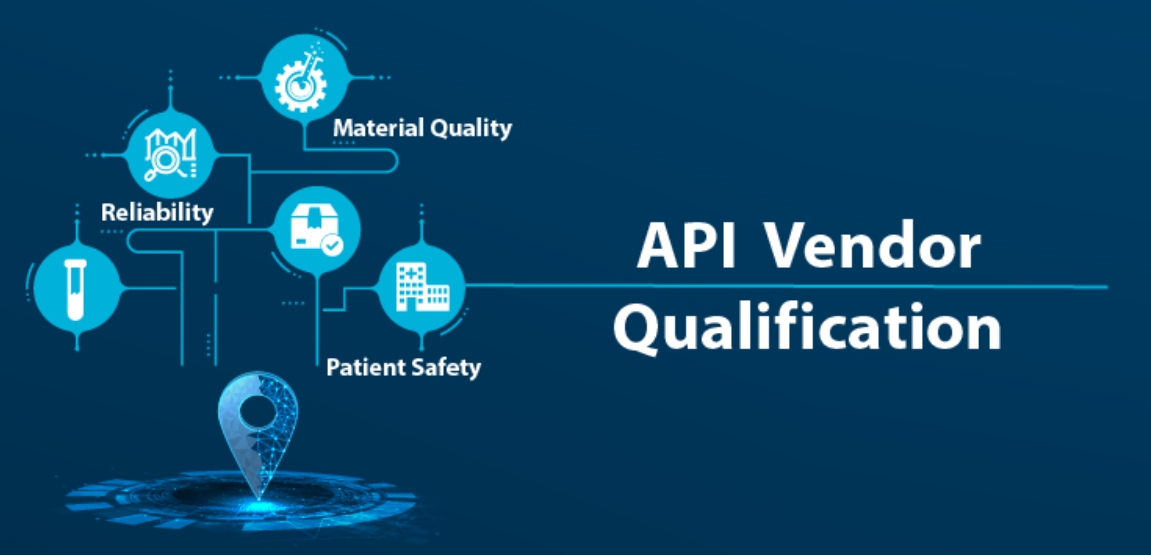
- Material Quality and Conformance: Identity, purity, and lot-to-lot consistency
- Patient Safety Risk: Control of impurities, contaminants, and suitability for intended use
- Supply Reliability: Production/Distribution capacity, lead times, and historical quality performance
Vendors that cannot consistently meet these expectations may increase the likelihood of deviations, impact formulation stability, or supply chain disruptions.
Meeting Regulatory Expectations
A robust vendor qualification program also supports compliance with expectations of regulatory authorities and quality standards organizations, including the U.S. Food and Drug Administration (FDA), the United States Pharmacopeia (USP), the International Council for Harmonisation of Technical Requirements for Pharmaceuticals for Human Use (ICH), and the International Organization for Standardization (ISO).
Under 21 CFR 211, supplier qualification is addressed through validation and quality system activities and supported by documented criteria such as supplier assessments or checklists. USP 1083 outlines core principles for identifying, approving, and monitoring suppliers of materials, packaging components, and services. ICH Q10 further integrates supplier management into the pharmaceutical Quality Management System (QMS) framework based on ISO 9001 concepts.
For API suppliers, it’s important to distinguish between the manufacturer and the distributor and understand expectations for each. Under ICH Q7 and FDA Q7, both must be qualified. Regulators also expect any entity performing GMP-critical activities in the API supply chain to be qualified and audited, including distributors that act as contract manufacturers/packagers or that store, handle, or transport API.
While regulations do not prescribe a single method for qualifying vendors, regulatory authorities expect pharmaceutical manufacturers, distributors, and compounding pharmacies to demonstrate due diligence in evaluating and maintaining their supply chains. Inadequate oversight can lead to FDA Form 483 observations, warning letters, product recalls, regulatory delays, and loss of consumer trust.
Essential Qualification Activities
An effective vendor qualification program typically includes several key activities:
- Vendor Selection: The process begins with identifying potential suppliers and assessing their capabilities, certifications, and regulatory compliance history.
- Vendor Audit & Risk Assessment: Each vendor should be evaluated based on material criticality and supplier risk to determine the appropriate level of qualification and oversight. Evaluation may include quality system assessments, documentation review, regulatory history, on‑site or remote audits, and laboratory testing of representative samples.
- Documentation & Compliance: Qualified vendors should provide key documents such as quality agreements, Certificates of Analysis (CoAs), stability data, and safety data sheets (SDS). When a CoA is issued by or for a repacker/reprocessor, agent, or broker, it should identify the testing laboratory (name, address, and phone number) and reference the original manufacturer and original batch CoA; a copy of the original batch CoA should be attached. Approval or disqualification decisions must be documented, and records retained per quality system requirements.
- Ongoing Monitoring and Requalification: For qualified vendors, written quality agreements establish expectations for documentation review, change control, communication, and performance. Ongoing monitoring may include periodic audits, questionnaires, interviews, and routine analytical testing of incoming materials against predefined acceptance criteria.
Vendor qualification is not a one‑time event, but a continuous quality and compliance control designed to ensure upstream suppliers consistently meet established requirements. By maintaining effective supplier oversight, compounding pharmacies can better manage risk while meeting regulatory expectations and continue to deliver safe, high-quality preparations to patients.
How ARL Can Help
ARL Bio Pharma supports vendor qualification programs through comprehensive testing, documentation review, and quality‑focused expertise. To learn more about how ARL can support your supplier qualification and material testing needs, contact info@arlok.com or call (800) 393‑1595.
Resources
- 21 CFR 211 – Current Good Manufacturing Practice for Finished Pharmaceuticals
- United States Pharmacopeia 1083 Supplier Qualification
- FDA Q7 Good Manufacturing Practice Guidance for Active Pharmaceutical Ingredients, Guidance for Industry
- ICH Harmonised Tripartite Guideline Good Manufacturing Practice Guide for Active Pharmaceutical Ingredients Q7
- ICH Harmonised Tripartite Guideline Pharmaceutical Quality System Q10
- ISO 9001:2015 Quality Management Systems – Requirements