
Tiffany Corbin, ARL Bio Pharma Associate Lab Supervisor, Microbiology
Compounding pharmacies and outsourcing facilities must ensure that sterile preparations are compounded in controlled environments to minimize the risk of microbial contamination. Environmental monitoring (EM) is a process required by the United States Pharmacopeia (USP) and the Food and Drug Administration (FDA) to verify that aseptic processing areas consistently maintain a state of control during compounding. Pharmacies and facilities are required to document their EM procedures, including the selection of sampling sites, the frequency of sampling, acceptance criteria for monitoring particulates and microorganisms, and the investigative and corrective actions taken when necessary.
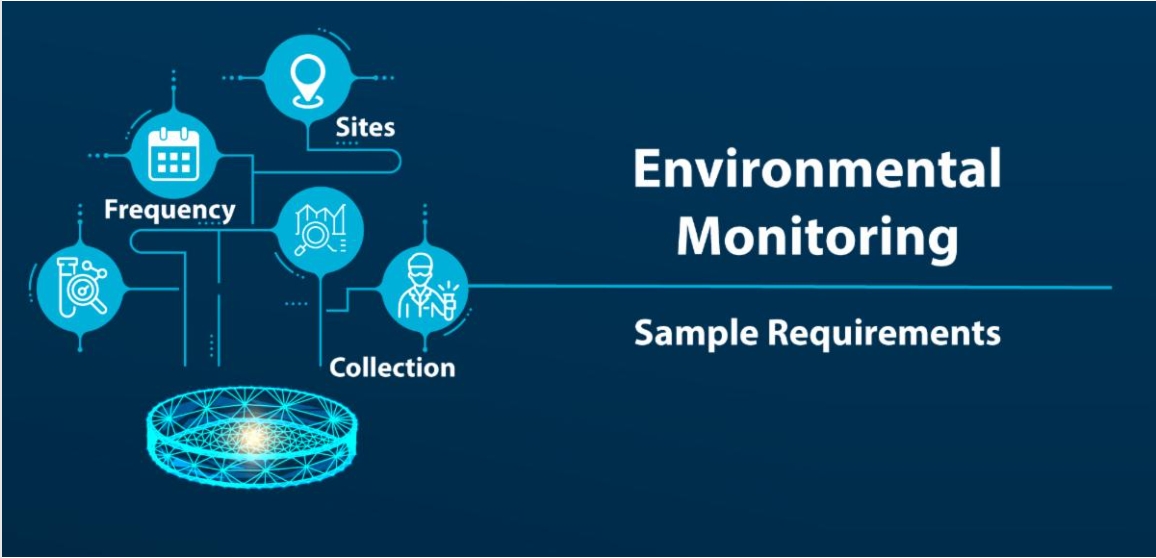
Sampling Sites
When selecting sampling sites, it is important to consider both routine operations and worst-case scenarios. The selection of these sites should be based on a documented risk assessment that accounts for airflow patterns, room classifications, personnel activities, equipment placement, and proximity to sterile preparation areas.
Common sampling locations typically include:
- Critical sites within ISO environments
- Equipment surfaces and high-touch areas
- Cleanroom floors, walls, and pass-throughs
- Personnel gloves and gowns following aseptic manipulations
Sampling should occur under dynamic conditions, with operations actively ongoing, to yield relevant data regarding routine processing conditions. Relying solely on static conditions for sampling does not adequately demonstrate environmental control.
Worst-case scenario conditions may include periods of maximum personnel occupancy, high batch throughput, upper/lower limits of temperature or humidity, and differential pressure excursions (within acceptable action limits).
Sampling Frequency
The FDA and USP specify sampling intervals based on the ISO classification of the area and the category of compounded sterile preparations. More frequent monitoring is required during initial qualifications, after any significant changes, or when adverse trends or excursions are detected. Additionally, it is important to consider when samples are collected, particularly during peak activity periods and at the conclusion of operations.
Sample Collection
Various methods are used to collect EM samples, each serving a specific purpose in assessing environmental conditions. Using a combination of these sampling methods allows for a comprehensive evaluation of the environment:
- Active air sampling draws a measured volume of air over a growth medium to quantify viable airborne microorganisms and is a requirement in classified areas.
- Passive air sampling (using settle plates) serves as a supplementary method in ISO environments.
- Surface sampling involves contact plates (e.g., RODAC plates) or sterile swabs to evaluate microbial contamination on surfaces and is essential for routine monitoring.
All sampling media must promote microbial growth and have successfully passed growth-promotion testing prior to use, in accordance with USP requirements.
Incubation and Observation
After collecting EM samples, they must be incubated under controlled conditions to allow for microbial growth. USP and FDA recommend a two-stage incubation approach using temperature ranges of 20-25°C and 30-35°C to ensure recovery of both environmental and human-associated microorganisms, including slow-growing microorganisms.
Once the incubation is complete, the samples are examined for microbial growth. Pharmacies and facilities should compare the results against established acceptance criteria, including alert and action levels specific to the ISO environment. It is essential to establish alert and action levels based on regulatory guidance, historical data, and risk assessment. These alert and action levels serve as indicators to identify potential issues or prompt further investigations, rather than simply categorizing results as pass or fail.
Interpreting Results and Investigations
It is important to trend and review EM results. USP emphasizes that trends observed over time are often more meaningful than individual data points. Gradual increases in microbial recovery or changes in microorganism types can signal a potential loss of control.
When results exceed established limits or show adverse trends, pharmacies and facilities must initiate an investigation that includes:
- Identifying the recovered microorganism down to the genus and, when applicable, species level.
- Assessing potential sources of contamination, including personnel practices, cleaning procedures, or equipment issues.
- Reviewing recent actions or interventions that may have contributed to the contamination.
- Evaluating environmental monitoring trends to determine whether the issue is an isolated incident or part of a broader pattern.
The goal of EM goes beyond simple detection; it aims to promote continuous improvement and maintain control in aseptic processing environments. Ongoing evaluation, trending, and refinement of the EM program are vital for safeguarding the safety, quality, and sterility of compounded preparations.
ARL Bio Pharma Testing Services
ARL Bio Pharma provides incubation and enumeration testing for EM samples. Pharmacies and facilities can send plates to ARL for incubation, colony-forming unit (CFU) counting, and a Certificate of Analysis to document the results for EM programs. To demonstrate microorganism growth capabilities, ARL offers growth promotion testing of media used in EM programs, media fills, and personnel qualifications. Additionally, microbial identification testing is available to identify microbial contaminants and support investigative and corrective actions to improve compounding processes.
For more information on ARL testing services, contact info@arlok.com or 800-393-1595.
Resources:
- USP 797 Pharmaceutical Compounding—Sterile Preparations
- USP 1116 Microbiological Control and Monitoring of Aseptic Processing Environments
- FDA Guidance for Industry – Current Good Manufacturing Practice – Guidance for Human Drug Compounding Outsourcing Facilities Under Section 503B of the FD&C Act
- FDA Guidance for Industry – Sterile Drug Products Produced by Aseptic Processing – Current Good Manufacturing Practice